


Mango Learn — Always be fruitful. Home

My story and what I do

My story

I graduated from King's College, London in 1991 with a BA (Hons) in English Literature and trained as a secondary school teacher. I was trained to teach English and Drama. Over the years, feeling frustrated with the formality of the classroom, I became more interested in teaching drama and much of my career was as a Director of Drama in the London area.

After training as a foster carer with Essex County Council in 2018, I became more and more interested in child development. I took a MSc in Psychodynamics at Birkbeck College, London and spent time observing infants and learning how the child and adolescent mind develops. I also studied therapy and developmental disabilities such as autism.

In 2024, I left mainstream education to become a mentor and tutor for neurodivergent young people, working with them online and face to face. Suddenly, I found that my work as an educationalist began to make sense, that my experience and studies were coming together to create an approach that actually made a difference to the lives of the young people for whom mainstream education had not worked.

That's me!

Joe Maingot, smiling, in front of a wall of bookshelves at home

What I do

I will never ask them to attempt tasks that create unmanageable anxiety.

When I meet a neurodivergent person for the first time, I make it clear that I will never ask them to attempt tasks that create unmanageable anxiety. I want them to feel safe enough to explore, experiment and try new things without fear of failure or reprimand. Sometimes that means changing the task, taking a break or putting something aside for another day. Sometimes, when they feel ready, it means gently exploring something they previously found difficult. The young person always has a voice in that process.

I do not tell them off.

A young person's behaviour can communicate something important about how they are feeling, what they are finding difficult or what their environment is asking of them. Rather than responding with blame or reprimand, I try to understand what is happening and what might help. Patience, empathy and thoughtful adjustments can often achieve much more.

They have a big say in how things are done.

The most obvious way to find out what will work with a young person is to ask them! This is fundamental to my approach. I believe in letting the young person have a big say in how we create a bespoke methodology, a bespoke curriculum and bespoke objectives. And they should always be able to negotiate their timescale.

I do not limit my expectations.

In fact, I try to keep as open a mind as possible as to what we might do. With one 17-year-old student, we began with Year 3 maths and reading about reptiles because that was what they wanted to do. Within a year, we were studying WWII and learning Polish!

Why do I do this?

It's simple — ownership and genuine motivation can reinvigorate a young person who may have lost their faith in learning. It can empower them to try again and begin to believe in a new version of success.

Success looks different for every young person.

It might mean gaining a qualification, discovering a love of learning, developing a new skill or becoming more confident and independent. My role is to help each young person explore what is possible, with the right support, manageable challenges and a pace that works for them.

What does a session look like?

The simple answer is that I have no idea until I meet the young person.

Every neurodivergent young person needs something special. Here's some ideas …

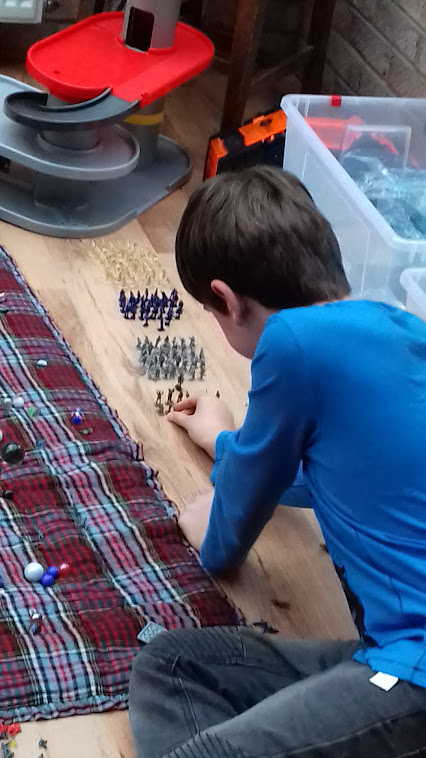
In my initial meeting with a young person, I might try to spend time building trust. I could arrive with my therapy dog, Maïka, if she was welcome. Otherwise, we might go for a walk or play a game together. They might want to show me things that they are interested in, collections, hobbies, things they have made. Or, of course, they might not want to speak to me at all.

If it was something that they were happy to do, we might talk about how things have been in the last year or so. We might talk about school, or it might be a subject to avoid. We could talk about why I am there, what they feel about that and what they want from the sessions.

In the follow up sessions, I would try to build on the bond created and on the interests and talents of the young person.

Their world, their interests

A boy, seen from behind, kneeling on a wooden floor at home carefully arranging rows of toy soldiers

In practice

Three young people, three different paths

Maïka, a black Labrador, lying on a fleece blanket with an orange ball in her mouth

Story 1 of 3 · Online, with Maïka

Connecting Through Learning

At the start
Strongly felt they didn't want a tutor
Before long
Calling out remarkably accurate maths answers

One student who strongly felt that they didn't want a tutor found Maïka, my therapy dog, much more welcome! They were happy to do some maths online with me working as their amanuensis while they stroked and played with Maïka, calling out remarkably accurate maths answers! This student had ADHD and was autistic. The reward of some ball games with Maïka halfway through the session got them in a good mood for some reading comprehension or creative writing before a final treat – a trip to the park with a dog resistant football!

Hands resting on an open paperback beside a notebook, with a copy of Life of Pi on the table

Story 2 of 3 · Online, through a parent

Finding a Way

At the start
Felt they could never succeed at GCSE English
Before long
On to Shakespeare

Another student did not want to leave their home or speak to me directly so we had lessons online. They spoke to me via their parent. They wanted to study GCSE English but felt that they could never succeed. We began by working on texts they had already studied, with highly scaffolded writing exercises. At first, I would give them time limits, but we soon scrapped this – it caused too much anxiety. I also found that asking them questions caused upset as well. A more passive learning style was much better. They were also reluctant to study poetry as it seemed too ambiguous and indistinct. When I taught them critical vocabulary, they began to see the nuts and bolts of verse. They found this very reassuring and soon we were on to Shakespeare!

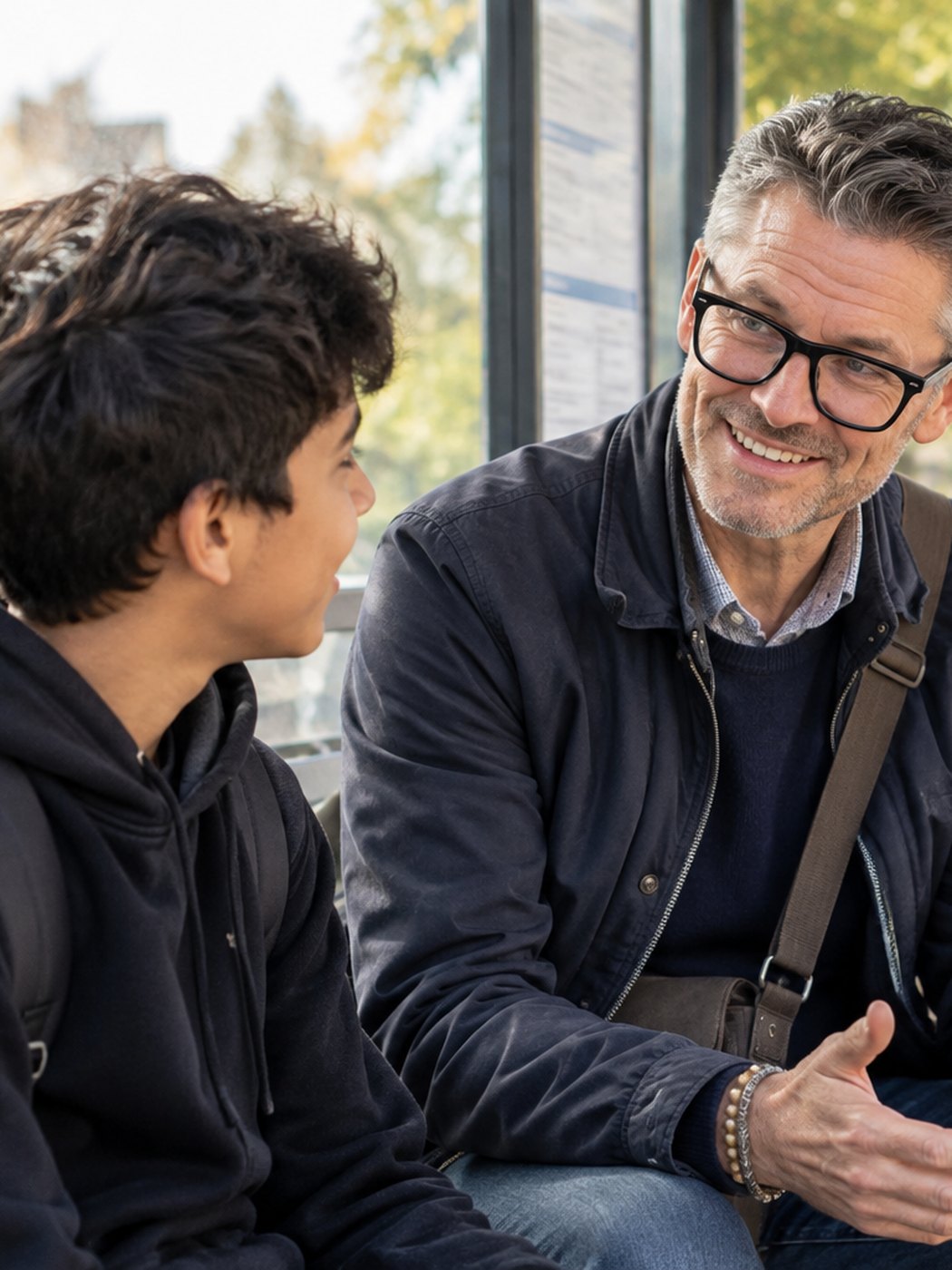
Two people sitting and talking at a bus stop, a bus approaching

Story 3 of 3 · Face to face, out and about

Building Independence – Step by Step

First session
Just going to see where the bus stop was
By the end of a year
Travelling to another city by bus and train

Another student I mentored needed life skills such as learning how to take a bus, plan a journey, apply for a job, take a train and manage anxiety in a public place. One of our first sessions involved just going to see where the bus stop was. Then we drove part of the bus route. We talked about why bus travel caused so much anxiety and about ways to cope with it. Then we tried to go one stop on a bus together. By the end of a year, they could travel to another city using buses and trains or go into town and watch a film with a friend. But we got there at their pace, step by step, and always reflecting upon what causes anxiety and how to cope.

In short

You can expect a sensitive approach that is formed around your child's or young person's needs, their learning style and a pace that keeps them comfortable and able to progress.

If you think this could help your child, please contact me for a chat.

And don't worry — I don't do hard sell. I don't know how!

Get in touch for a chat